Vermiculture in the city: small-scale composting solutions
Vermiculture has become a popular trend in cities, where residents are increasingly seeking sustainable solutions for waste management. This article explores how vermiculture can transform small spaces into efficient composting systems that benefit not only households, but also the environment.
From techniques for starting composting in apartments to the advantages of vermiculture over traditional methods, discover how you can contribute to urban sustainability.
How does vermiculture contribute to urban sustainability?
Vermiculture plays a crucial role in urban sustainability by offering an effective solution for waste reduction. This method allows city residents to recycle their organic waste into a valuable resource: compost. By implementing sustainable composting practices, the amount of waste sent to landfills is significantly reduced.
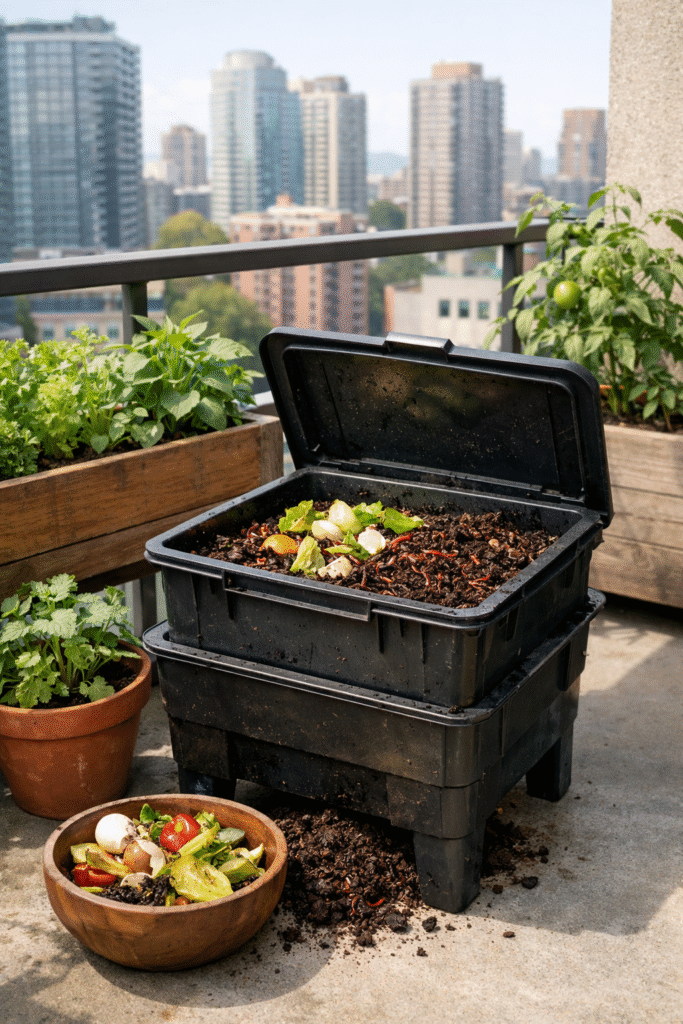
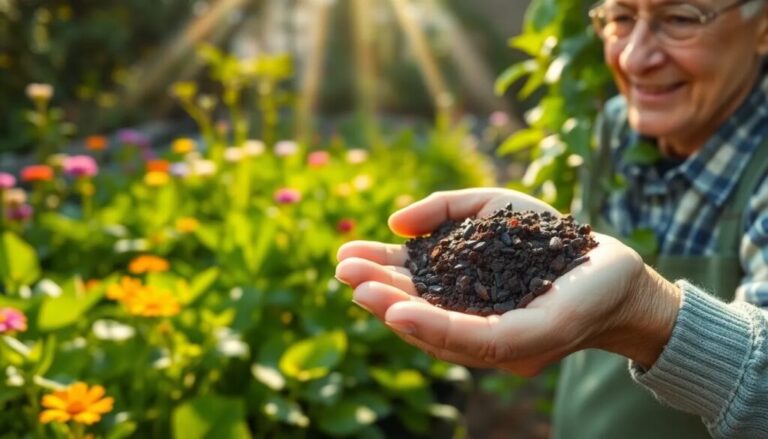
In addition, vermiculture improves soil health by enriching it with essential nutrients. This type of compost is ideal for urban gardens, where space is limited and soil quality is often poor.
- Reduces the volume of urban solid waste.
- Enriches soil with essential nutrients.
- Encourages sustainable gardening practices.
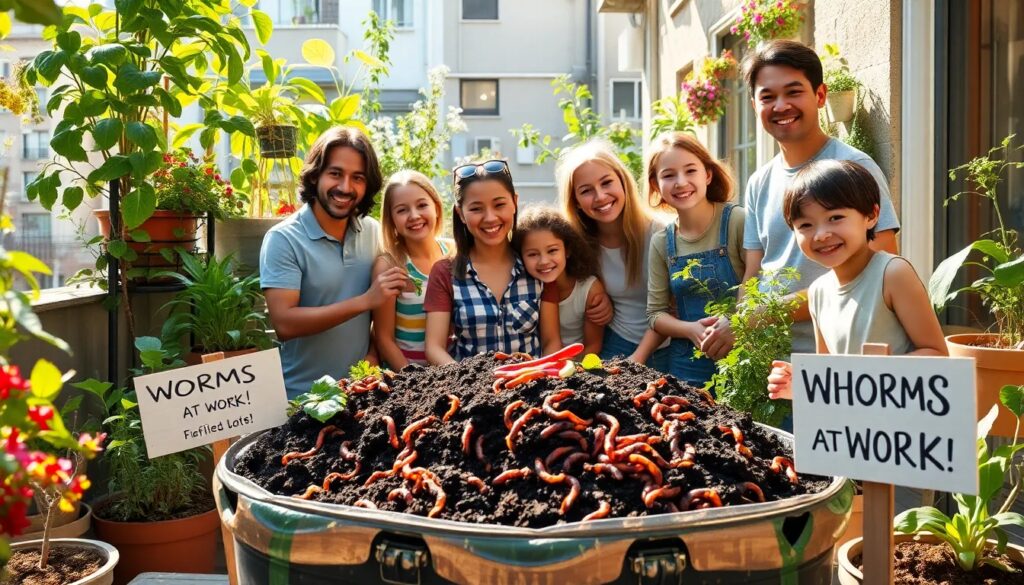
Vermiculture also promotes greater awareness of sustainability within communities, encouraging residents to adopt eco-friendly practices that benefit everyone. In this way, vermiculture not only improves individual spaces but also strengthens community connections in urban environments.
What are effective small-scale composting solutions for city dwellers?
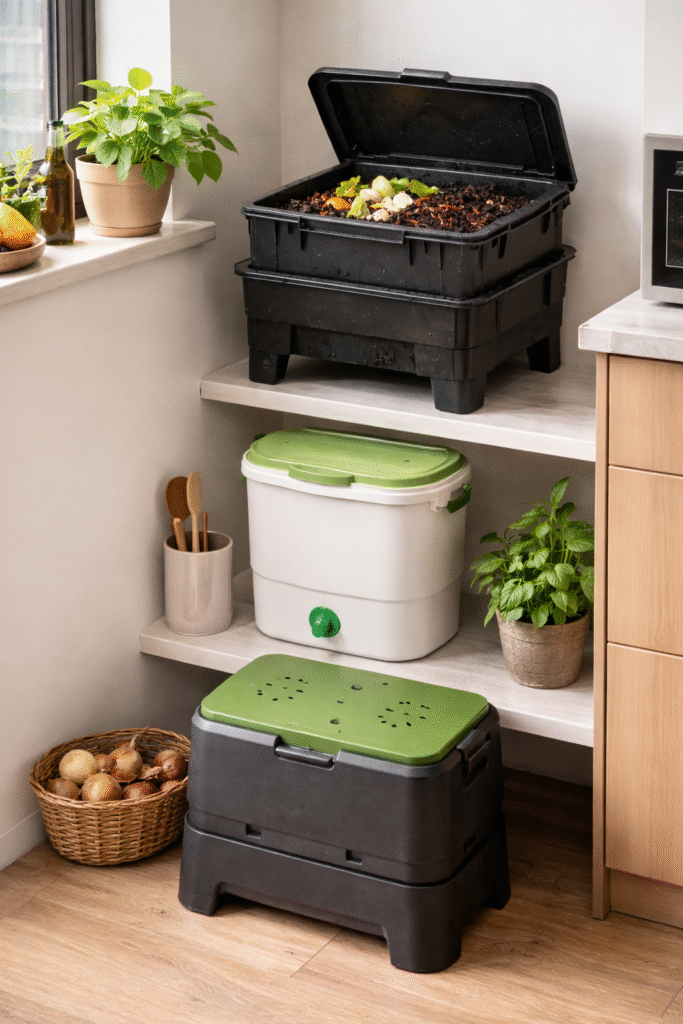
For city residents, several small-scale composting solutions are available. Some of the most effective options include:
- Vermicomposting: Uses worms to break down organic waste.
- Bokashi: A fermentation method that can handle a wider range of materials.
- Container composting: Specialized bins designed for composting in small spaces.
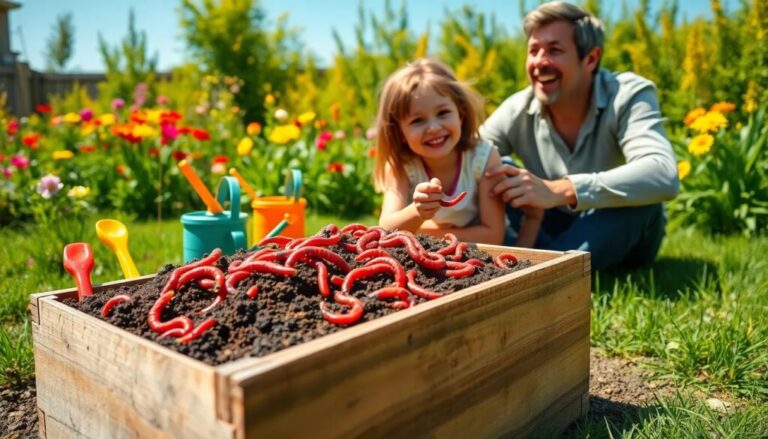
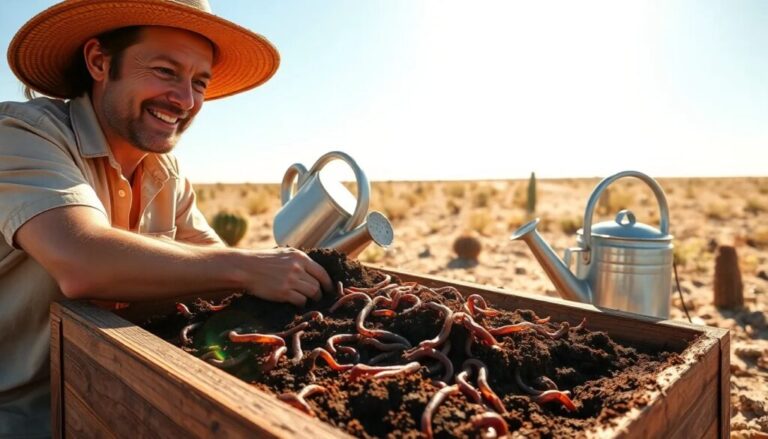
These methods are ideal for people living in apartments or limited spaces. For example, vermicomposting uses red worms (Eisenia fetida), which are highly efficient at decomposing organic waste.
The Bokashi method also allows composting of animal-based products, making it a versatile option for managing different types of organic waste.
How can you start vermicomposting in your apartment?
Starting a vermicomposting system in your apartment is simple and accessible. Here are a few basic steps to get started:
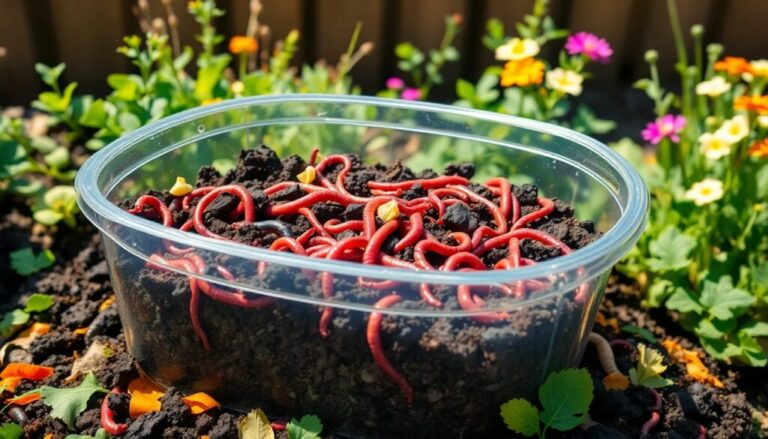
- Select a suitable container: You can use a plastic bin or purchase a specialized system.
- Obtain worms: Red worms are the most commonly used for vermicomposting.
- Add organic material: Include fruit and vegetable scraps and other non-greasy waste.
- Maintain moisture: Keep the contents damp, but not soaked.
With these steps, you can begin transforming your organic waste into nutrient-rich compost. It is important to monitor the system regularly to ensure the worms remain healthy and the environment stays balanced.
What types of worms are best for indoor composting?
When it comes to indoor vermicomposting, red worms are the most recommended option. These worms can efficiently break down large amounts of organic waste.
Some of the best choices include:
- Red wigglers (Eisenia fetida): Ideal for composting, they reproduce quickly and consume large amounts of waste.
- European nightcrawlers (Eisenia hortensis): Also effective, though less commonly used in home vermicomposting.
It is important to avoid using common garden earthworms, as they do not adapt well to composting environments. Maintaining proper conditions and a balanced feeding routine is key to a successful vermiculture system.
What are the benefits of vermiculture over traditional composting?
Vermiculture offers several advantages compared to traditional composting. One of the most notable benefits is the speed of compost production. Vermicomposting systems can produce compost in a matter of weeks, while conventional composting may take several months.
Additionally, vermicompost is richer in nutrients, making it an excellent soil amendment. The microbes and nutrients found in worm compost support plant health more effectively.
- Faster compost production.
- Higher-quality, nutrient-rich compost.
- Lower risk of unpleasant odors and pests.
These benefits make vermiculture an attractive option for those seeking composting solutions in urban settings. The process is efficient and environmentally friendly, allowing city residents to actively contribute to community sustainability.
How to manage odors and pests in your worm bin?
One common concern when starting a vermiculture system is managing odors and pests. Here are some tips to keep your bin healthy and problem-free:
- Avoid adding greasy or spicy foods that can attract insects.
- Maintain a balance between wet and dry materials to prevent excess moisture.
- Check the system regularly for signs of pests or unpleasant odors.
If you notice bad smells, excess moisture may be the issue. Improve ventilation and add dry materials to restore balance.
What resources are available for learning about vermiculture?
A wide range of trusted resources is available for anyone interested in learning more about vermiculture, from beginner guides to advanced urban composting techniques. Educational books, specialized websites, and video tutorials provide practical, step-by-step insights that make it easier to start and maintain a successful system.
- Books: The Worm Book by Loren Nancarrow and Janet Hogan is widely regarded as a foundational guide to vermicomposting and worm care.
Suggested link: North Atlantic Books or Amazon (author-published edition). - Websites & blogs: Reputable sources such as the U.S. Environmental Protection Agency (EPA) composting guides, Cornell University Waste Management Institute, and specialized sites like The Squirm Firm or Uncle Jim’s Worm Farm offer science-based and practical vermiculture content.
Suggested links: epa.gov, cornell.edu, squirmfirm.com, unclejimswormfarm.com. - Videos: Educational YouTube channels focused on sustainable living and urban gardening provide visual demonstrations on setting up worm bins, feeding schedules, and troubleshooting common issues. Channels run by composting educators and urban gardeners are especially helpful for beginners.
For those who prefer visual learning, here is an informative video about vermiculture:
With all this information, you are ready to begin your journey into urban vermiculture. Remember, every small effort matters, and your participation can help create a more sustainable urban environment.